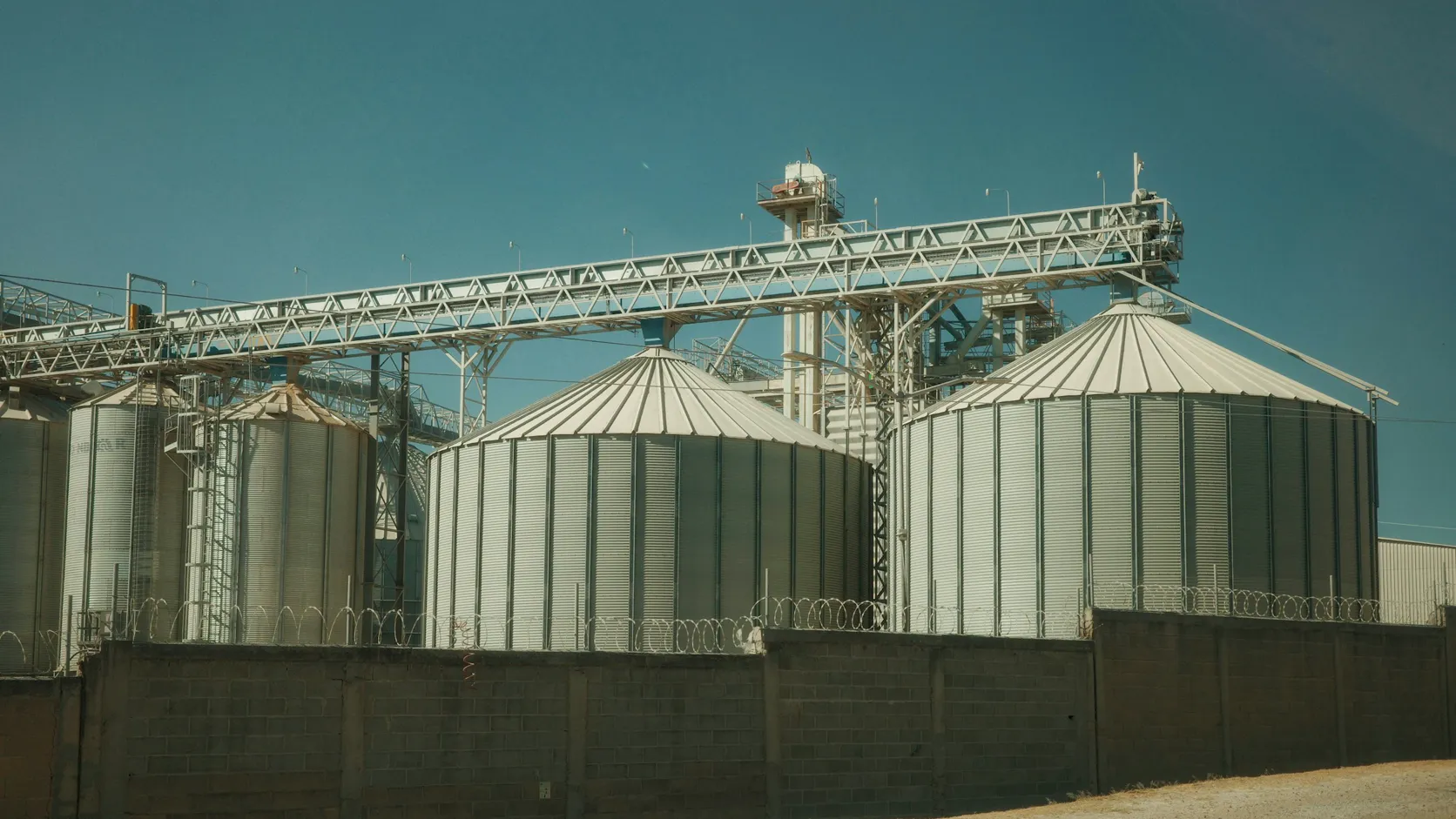

Inventory is more than quantity on hand
Feed inventory decisions sit between cost, quality, production continuity, and supplier performance. Knowing that an ingredient is on hand is useful, but teams also need lot, location, age, valuation, quality status, and expected demand.
When inventory is managed as a live operating signal, it helps prevent emergency substitutions, short production runs, and purchasing decisions that ignore formula demand.
The value of lot-aware stock
Lot control lets teams understand which receipts are available, where they are stored, and how they move through the operation. It also supports first-in-first-out practices, quality holds, supplier comparisons, and recall investigations.
Formula-aware planning
Inventory pressure changes when formulas change. A price shift can make one ingredient attractive, but limited stock may make the solved formula hard to produce. A production plan can look efficient, but the required material may be split across lots or locations.
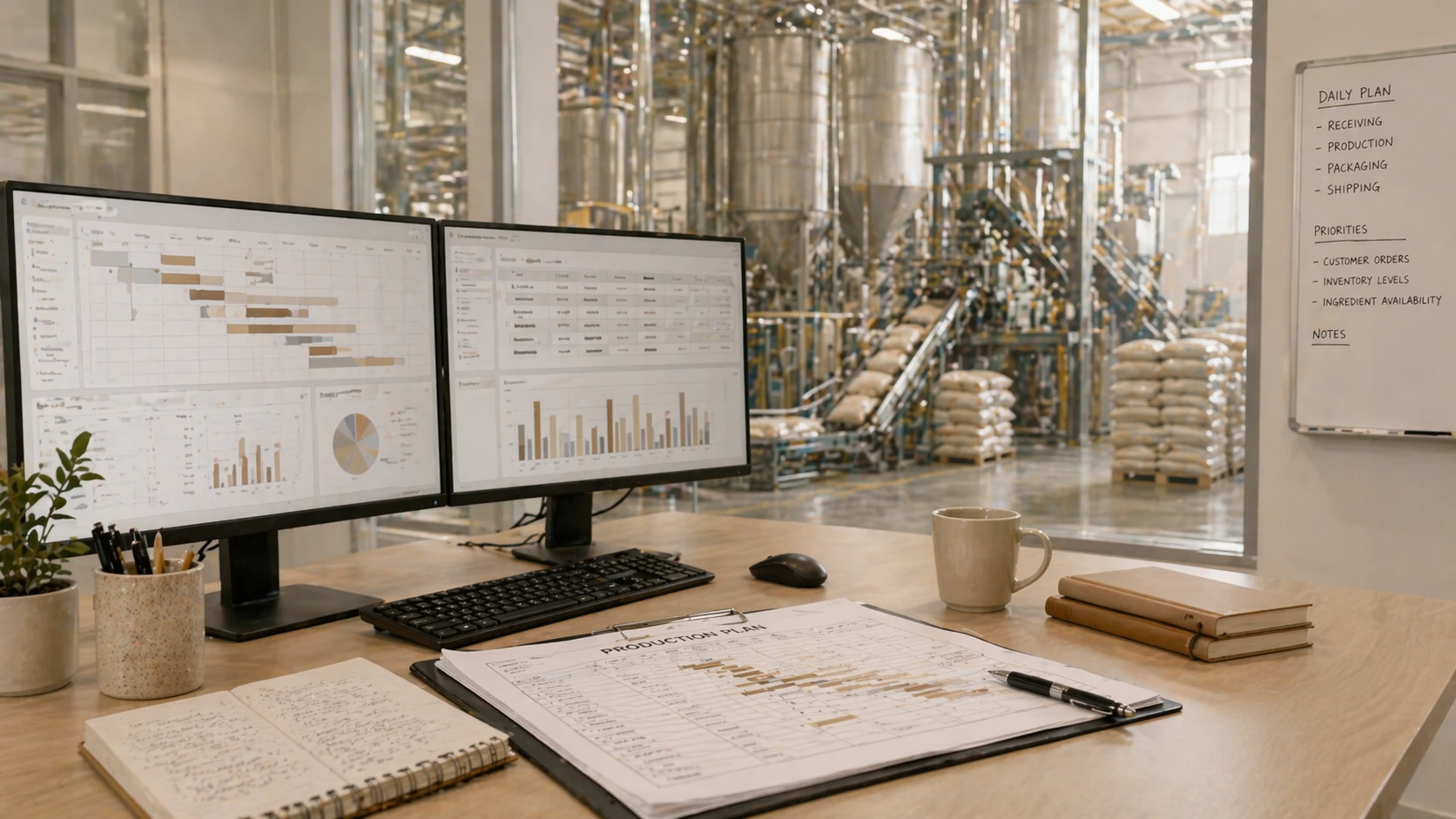
Formula-aware inventory connects the nutrition model to what the plant can actually use. That gives purchasing and production teams earlier warning before a shortage becomes a schedule problem. We unpack this relationship in how feed formulation connects to inventory.
Operational signals to watch
Teams should watch days of cover, reorder points, slow-moving lots, held materials, formula demand, supplier lead times, and substitution pressure. These signals become much stronger when they live in the same workflow as formulation and production.