Quality evidence needs structure
Quality control is not only a pass/fail checkpoint. It is the evidence system that explains whether materials, formulas, production batches, and finished goods met the required standard. That evidence is strongest when records are structured and connected to the operational data around them.
In feed and pet food production, quality records often need to answer questions from customers, auditors, production managers, and internal teams. A defensible system makes those answers repeatable.
From sample to decision
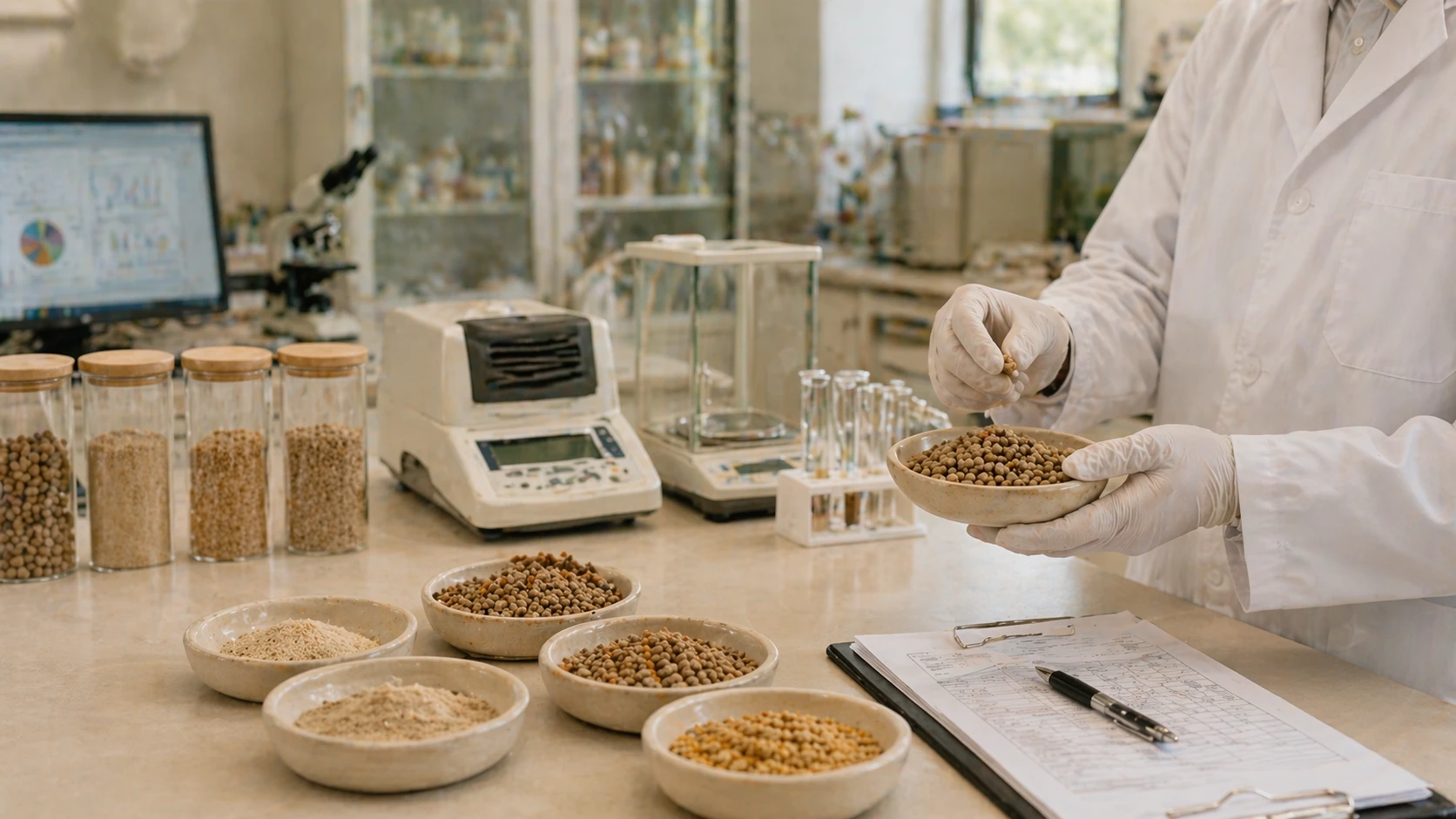
A quality workflow should define what is tested, which method is used, which equipment is involved, what limits apply, and what happens when a result is outside specification. The sample record should connect back to the supplier lot, production batch, or finished product it represents.
Batch evidence and traceability
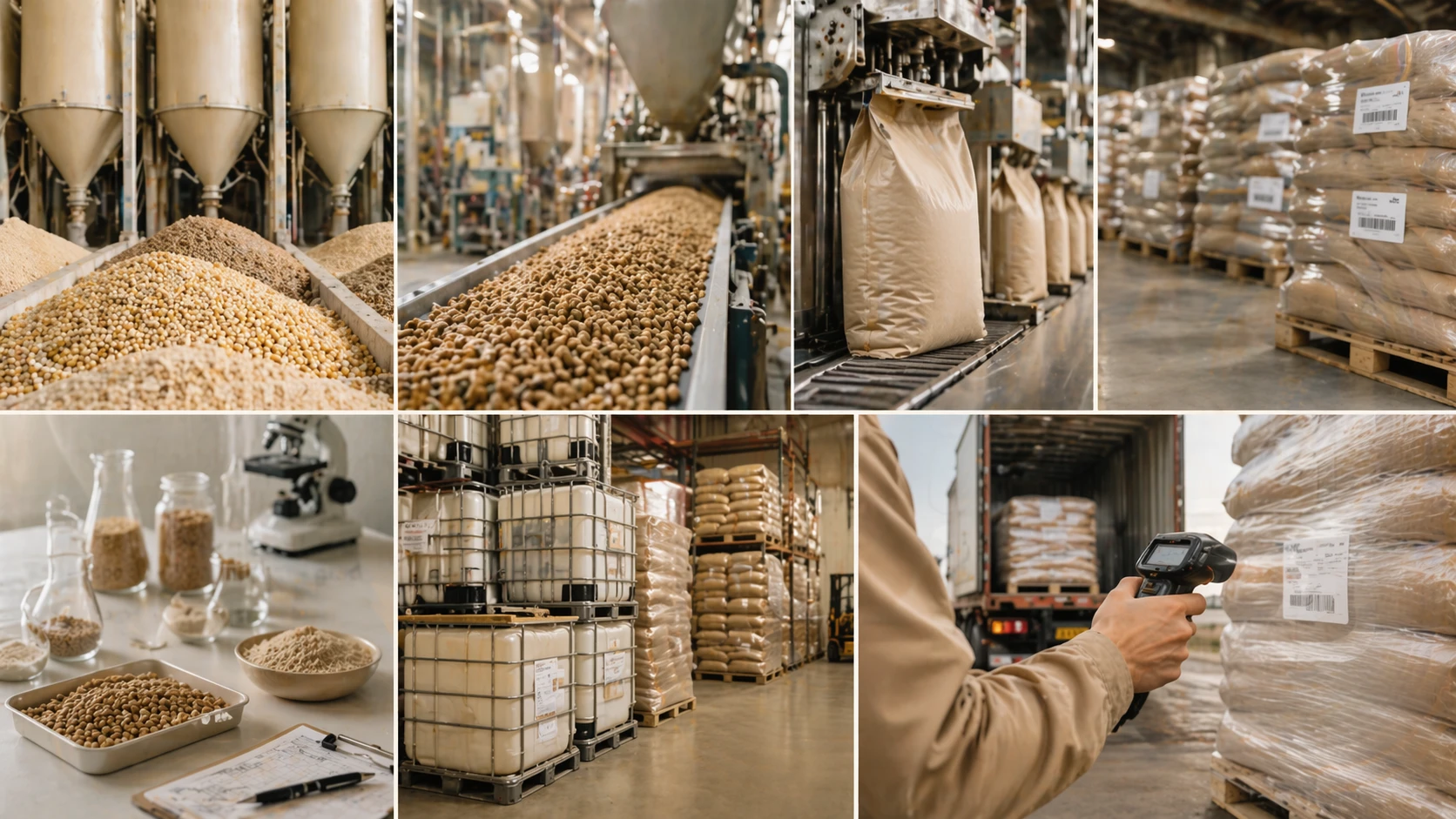
Quality data becomes more useful when it is tied to batch genealogy. If a finished product fails a test, teams need to know which raw materials were involved, which line produced it, which lots were affected, and whether related shipments need review. This is the batch-record chain we follow in how feed formulation connects to production.
This connection turns quality from a separate document repository into a live part of production control.
Using trends to improve consistency
Trend analysis helps teams see process drift, supplier variability, recurring OOS patterns, and method-related issues. The goal is to move from reactive investigation to earlier detection and better prevention.